
REVIEW · ANTIGUA ECO TOURS & MANGROVE WILDLIFE
DiveCarib – An Eco-Friendly Certified Diver Trip in Antigua
Reef time in Antigua starts with a short check-in. I like the top-notch rental gear and how quickly the team helped me get sorted, and I also like that divemaster Lee clearly prioritized local marine life with a strict no-touch, no-take, no-feeding policy. The trade-off: you must have been underwater in the ocean within the last two years, and you need the fitness to handle the ladder and normal swimming without help.
What makes this trip extra appealing is the full chain of care, from a proper briefing to an organized pre-water safety check before you’re let in. You also get a real boat experience first, not just transport to a site, and drinking water is available on board.
One more thing to plan around: like many island sea outings, site choices can shift with conditions, including surge, so expect some flexibility once you’re on the water.
In This Review
- Key highlights to know before you go
- Antigua’s certified diver experience, minus the chaos
- Where you meet and how the day flows (8:30 am to back to dock)
- The facility intro, team intro, and briefing that sets you up for success
- The boat ride: scenic Antigua views and a real warm-up
- Kit up, equipment rental notes, and the pre-water safety check
- Tank details and how they manage your one-hour water time
- Underwater guidance by divemaster Lee and local marine spotting
- Wildlife etiquette you will actually follow on-site
- When surge changes the plan, you get an alternate site
- Price and value: is $199 a fair deal?
- Who should book this trip, and who should skip it
- Logistics that can actually save your morning
- Eco-friendly certified approach, and why it matters for the reef
- What to watch for before you go
- Should you book DiveCarib in Antigua?
- FAQ
- Where is the meeting point for this trip?
- What time does the experience start?
- How long is the scuba trip?
- Do I need to have been diving recently to join?
- What if I have not dived within the last two years?
- Are there rules about touching or feeding marine wildlife?
- What type of scuba cylinder and starting pressure are used?
- Is the trip dependent on weather, and what is the cancellation window?
Key highlights to know before you go
- Small group, max 8 travelers, which usually means more personal attention during setup and guidance
- 5-star PADI-rated team, with over 40 years of combined experience backing up the instructions
- Clear wildlife rules, no touching, no taking, and no feeding, so the reef stays healthy
- Guided, local underwater knowledge, with divemasters showing you what Antigua is known for
- One-hour water time, managed by pressure limits (including an end/surface pressure minimum)
Mangroves, turtles and slow water, reviewed
- Adventure Antigua – Eli’s Original Eco Tour
★ 4.5 · 238 reviews - Tuk-Tuk Adventures Rainforest and Beach Hopping Tour
★ 4.5 · 196 reviews - SoCoHo Eco Half Day – Mangrove Kayak & Reef Snorkeling
★ 5.0 · 104 reviews - Crystal Kayak & Snorkel Eco Tour (with transfer)
★ 5.0 · 65 reviews - Antigua Eco Island Tour (City, Country, Beach, & Heritage Sites)
★ 5.0 · 7 reviews
Antigua’s certified diver experience, minus the chaos
DiveCarib runs a certified diver trip in Antigua for people who already know their way around scuba basics. This is not a first-timer experience, and they are pretty direct about that. The upside is that you can focus on the actual reef time and the local marine life, instead of spending the morning on beginner skills.
The overall feel is tidy and safety-first. The process starts with an introduction at the facility and team, moves into a dive briefing that covers the trip, and then you head out by boat with specific equipment points for divers using their rental gear. When a trip is built like that, it usually keeps energy high and confusion low, which matters when you’re getting in and out of a moving boat.
Where you meet and how the day flows (8:30 am to back to dock)
This trip starts at DiveCarib National Sailing Academy, Dockyard Drive, Antigua and Barbuda. It also ends back at the meeting point, so you are not dealing with a long end-to-new-location transfer.
Start time is 8:30 am, and the total duration is about 4 hours. That timing is practical for cruise days and shore excursions because you can still see other parts of the island afterward, as long as you plan buffer time for taxis and boarding.
Since it is a mobile ticket experience, you will want your confirmation details accessible on your phone. Confirmation is typically received within 48 hours of booking, subject to availability.
The facility intro, team intro, and briefing that sets you up for success
Before anything water-related happens, you get an introduction to the facility and team. Then comes the dive briefing. This matters more than it sounds. On reef trips, a good briefing helps you understand what to expect in terms of your water plan, equipment checks, and the general flow once you are in the water.
A big detail here is that they cover points relevant to divers using the rental equipment. Rental gear is common, but the fit and adjustments are what make the difference between a smooth outing and an annoying one. When the team addresses gear-specific points before you board, you spend less time fiddling later.
After the briefing, you are not rushed straight onto the boat. Instead, you get through the short, but structured, “get ready” phase, then you roll toward the dive site by boat.
The boat ride: scenic Antigua views and a real warm-up
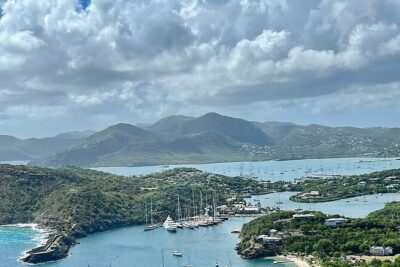
The boat ride is part of the experience, and honestly, that is a big part of why mornings feel so good. From the water, Antigua looks different. You also get time to settle in, hear instructions clearly, and spot marine and coastal scenery from the sea before you kit up.
DiveCarib also provides drinking water on board, which is a small detail that can make a big difference on a morning start. You will still want to stay mindful about sun and wind exposure, because you are out on open water before you even get into the tank.
Kit up, equipment rental notes, and the pre-water safety check
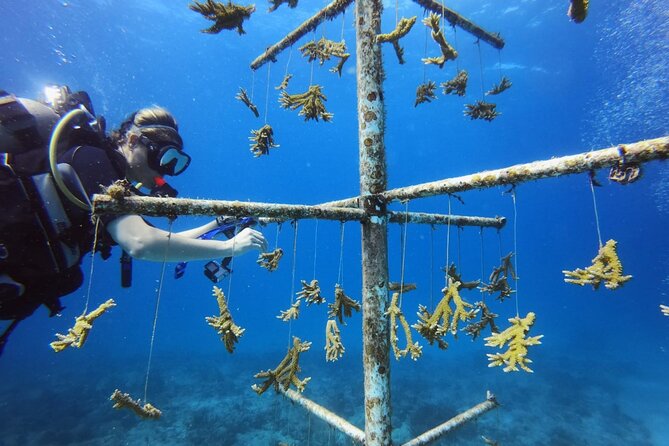
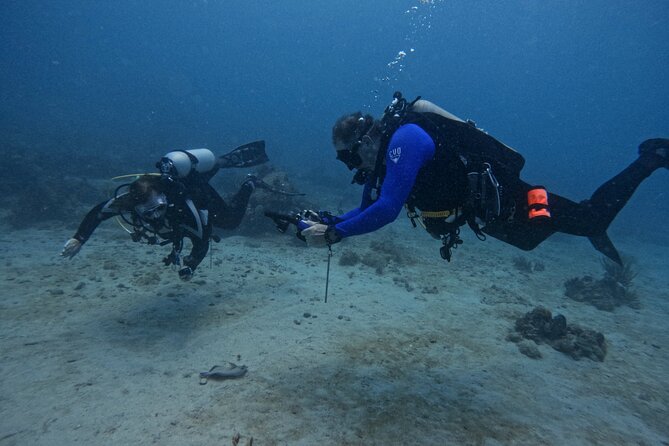
Once you arrive at the first site, the sequence is simple and familiar if you are already a certified diver. You kit up, then do a pre-dive safety check before entering the water.
This is where the small-group format helps. With a maximum of 8 travelers, there is less waiting around, and it is easier for the guide to notice if someone is missing a step. The experience provider also emphasizes safety and fun together, and the structure of the day supports that.


Tank details and how they manage your one-hour water time
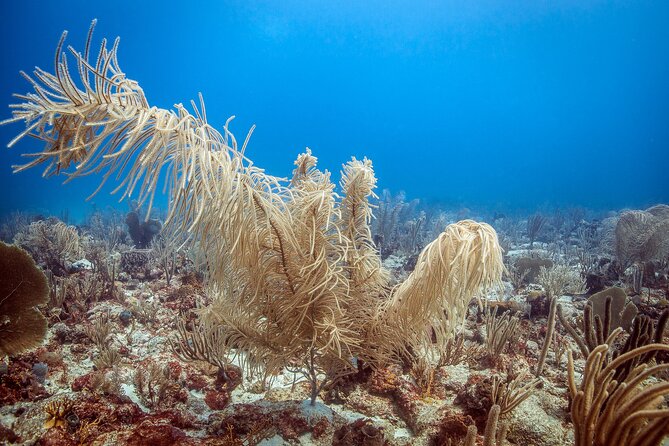
Here is the specific scuba setup they list: the cylinder type is aluminum S80 (11.2 litre). Starting pressure is 3000 psi (207 bar).
Your time is managed with dive parameters set at one hour, or a minimum end/surface pressure of 500 psi (35 bar). That is an important concept to understand before you arrive. In practical terms, it means you will not be pushed to “stretch” past safe reserves. The plan is built around breathing at reef-friendly pace, returning with enough margin.
If you like clear boundaries, you will appreciate this. It also helps first-time-with-this-provider divers feel comfortable because you know what the guardrails are.
Underwater guidance by divemaster Lee and local marine spotting
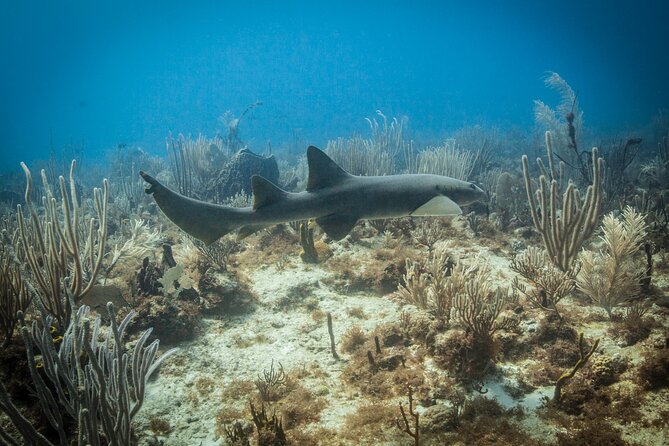
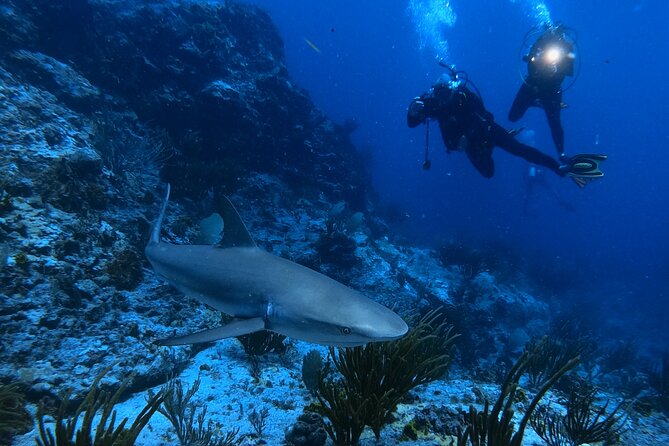
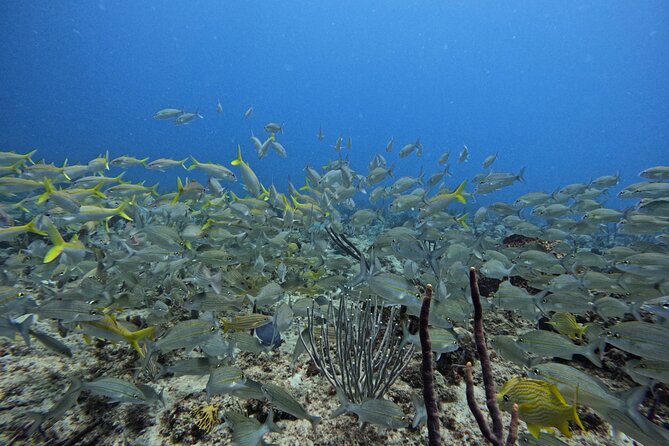
Once you enter the water, a divemaster leads you. The big promise is local knowledge, and you can see why that matters in Antigua. The reef life is not random. Someone who knows the local underwater realm can point you toward the places where you are most likely to see interesting marine life.
One standout detail from real feedback: Lee was repeatedly described as incredible, with spots that felt mesmerizing. Even if you already know what reefs look like in the Caribbean, a strong guide changes the whole experience by helping you notice the small stuff.
Also, the trip is run with strict conservation behavior:
- no touching wildlife
- no taking anything from the sea
- no feeding marine life
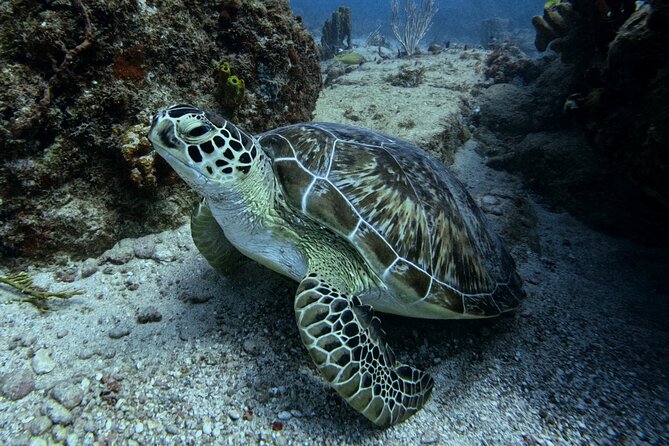
That policy is not just “nice to have.” It protects you and it protects the reef. Touching can harm animals and can also irritate your own skin, and feeding can disrupt normal behavior. On a guided trip like this, the rules are part of how they run the water time.
Wildlife etiquette you will actually follow on-site
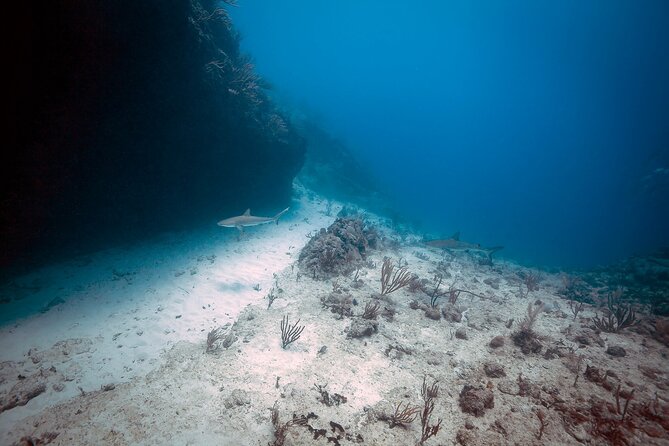
Antigua’s reefs are gorgeous, and conservation rules help keep them that way for the next group. DiveCarib is explicit about the rules, and enforcement is part of the guide role.
If you are the type who likes to photograph or watch up close, this is a gentle reminder that you will need to keep your hands off. Reef wildlife often looks calm until it is stressed, so the no-touch rule is one of the easiest ways to avoid accidentally harming what you came to see.
The no-take and no-feeding rules also mean your job is observation only. That keeps the reef cleaner and helps everyone get a more respectful experience.
When surge changes the plan, you get an alternate site
This trip can be influenced by conditions. One example from firsthand coordination details: at least sometimes, they may switch to an alternate second site such as Black Point if surge makes the original plan less comfortable or safe.
This matters because the value of a guided reef day is not only in the destination name. It is in the ability to adapt responsibly. When a team is willing to swap sites based on what the water is doing, it usually means you are in better hands than a crew that insists on a fixed schedule no matter what.
So, if you come in with a flexible mindset, you will likely enjoy the day more. You are not losing the trip. You are getting a smart alternative.
Price and value: is $199 a fair deal?
At $199 per person for about 4 hours, this is priced for certified divers who want a guided, structured reef experience. The value is not just the boat ride or the location. It is the combination of several elements that are hard to “copy” yourself:
- small group size up to 8 travelers
- a proper briefing and pre-water safety check
- guided leadership with local underwater knowledge
- clearly managed one-hour water time with pressure limits
- rental equipment included, described as top notch in feedback
If you are comparing options, focus on what is included in the experience. A lower-priced trip that leaves you to figure out gear, logistics, and water timing is often the more expensive one once you factor in stress and added costs.
This price also makes sense because the team is positioned as experienced, with over 40 years combined experience and a 5-star Professional Association of Diving Instructors rating. For a half-day format, you are paying for organization and guidance, not just entry into the water.
Who should book this trip, and who should skip it
This is clearly built for certified divers. You must have dived within the last two years, and you also must have dived in the ocean. If you do not meet that requirement, they require a refresher dive before you join certified diver trips.
They also set a clear physical baseline. Travelers should have a moderate physical fitness level and be physically and mentally fit to scuba dive. They specifically note you should be able to do normal activities like swimming unassisted, walking unassisted, and climbing the dive ladder unassisted.
So, if you feel rusty or you have been out of the water for more than two years, plan ahead. Ask about the afternoon refresher sessions before you lock in your schedule.
Logistics that can actually save your morning
This is the kind of morning where timing matters. Start is 8:30 am at the Dockyard Drive meeting point. The good news is it is near public transportation, but many people will use a taxi from wherever they are staying or from a cruise port.
Real-world coordination is part of the appeal. One highlighted example: Leigh was willing to hold the dive boat for 30 minutes when a taxi delay caused a late arrival. That tells you the team communicates and tries to work with real shore-day constraints.
Still, I would not bank on extra time every time. Build in a buffer. If your day is cruise-based, treat the taxi as the fragile part of your plan, not the boat.
Eco-friendly certified approach, and why it matters for the reef
DiveCarib is described as eco-friendly certified, and even without knowing the certificate name, you can see the behavior behind it. The strict conservation rules are the big one. No touching, no taking, and no feeding are the kind of operational choices that reduce human impact.
That is also why the guide role is important. If you are spending most of your time observing, you need someone to show you where to look without encouraging risky behavior. The no-touch policy supports exactly that: enjoy the marine life while keeping distance.
If your idea of a great trip includes respecting the ocean and not just using it as a backdrop for photos, this format is a strong match.
What to watch for before you go
A few things to check ahead of time so you are not scrambling on the morning:
- Confirm you are within the requirement to have dived in the ocean within the last two years
- If you are not, ask about refresher options before booking certified sessions
- Plan for an early start and a moderate physical effort level, including ladder climbing
- Expect that sites can shift with conditions like surge
Also, because it is weather sensitive, be prepared for a plan adjustment if conditions are poor.
Should you book DiveCarib in Antigua?
Book it if you are already a certified diver who wants a well-run, small-group morning with a serious guide and strong conservation behavior. I think the standout value is the combination of tight safety flow, local leadership, and managed time with clear pressure planning.
Skip it if you have not dived in the last two years, if ocean experience is missing, or if ladder climbing and unassisted swimming sound like a struggle. In those cases, a refresher session is the smarter first step.
If you hit the requirements, you are likely to love the structured morning, the boat ride views, and the guided spotting from a team that takes marine life etiquette seriously.
FAQ
Where is the meeting point for this trip?
You meet at DiveCarib National Sailing Academy, Dockyard Drive, Antigua and Barbuda. The trip ends back at the same meeting point.
What time does the experience start?
The start time is 8:30 am.
How long is the scuba trip?
The duration is approximately 4 hours.
Do I need to have been diving recently to join?
Yes. You must have dived within the last two years, and you must have dived in the ocean.
What if I have not dived within the last two years?
If you have not dived in that time window, you are required to complete a refresher dive before joining certified diver trips. They also mention afternoon refresher sessions if you do not meet the requirement.
Are there rules about touching or feeding marine wildlife?
Yes. There is a strict no-touch, no-take, and no-feeding policy.
What type of scuba cylinder and starting pressure are used?
The cylinder type is aluminum S80 (11.2 litre). The starting pressure is 3000 psi (207 bar).
Is the trip dependent on weather, and what is the cancellation window?
Yes, the trip requires good weather. If it is canceled due to poor weather, you will be offered a different date or a full refund. You can cancel up to 24 hours in advance for a full refund.
The Rest Of Our Antigua Reviews

Mangrove and Wildlife Mornings


Other Antigua and Barbuda trips we have written up
- Luxury Island Platinum Tour★ 5.0 · 3 reviews
- The Ultimate PRETEND Wedding Experience★ 5.0 · 3 reviews
- Biggvee Chauffeur service★ 5.0 · 3 reviews
- Clear Kayak Tour in Mangrove Antigua★ 5.0 · 3 reviews
Antigua Eco Tours & Mangrove Wildlife, compared.
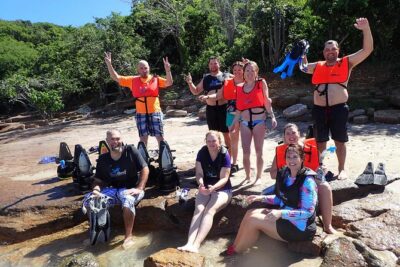 ★ 5.0Turtle Beach Power Snorkeling AdventureFrom $132521 reviews
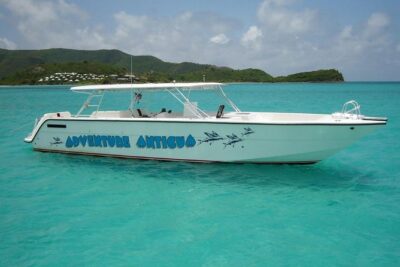 ★ 4.5Adventure Antigua – Eli’s Original Eco TourFrom $142238 reviews
 ★ 4.5Tuk-Tuk Adventures Rainforest and Beach Hopping TourFrom $109196 reviews
 ★ 5.0SoCoHo Eco Half Day – Mangrove Kayak & Reef SnorkelingFrom $135104 reviews
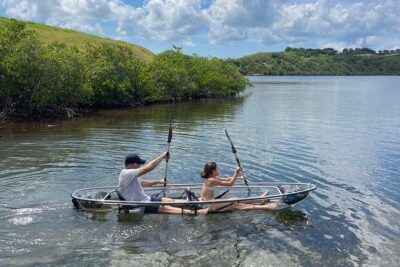 ★ 5.0Crystal Kayak & Snorkel Eco Tour (with transfer)From $8965 reviews
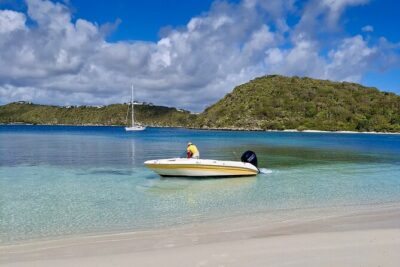 ★ 5.0FANTASTIC Green Island and Sea Turtles – Half Day share boat tripFrom $17954 reviews
 ★ 5.0Antigua Eco Island Tour (City, Country, Beach, & Heritage Sites)From $1997 reviews
 ★ 5.0Clear Kayak Tour in Mangrove AntiguaFrom $903 reviews
Browse the lists this tour appears in