
REVIEW · WORKSHOPS
Fliteboard EFoil Lesson
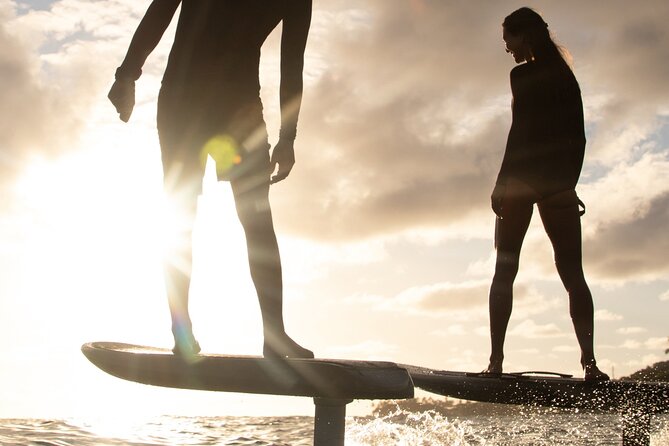
Flying starts with a lying-down lesson. In Antigua’s English Harbour, the Fliteboard efoil lesson is interesting because it quickly turns basic board control into real “up and flying” attempts. I especially love the step-by-step progression, from board familiarity to knees and then to standing, all guided so you do not feel thrown in.
The second big win for me is how much emphasis is placed on safety and instruction. You are taught under supervision by certified national instructors, with a short theory block on land and then focused help once you are in the water. In the same spirit, the vibe feels relaxed but organized, and that matters a lot when you are learning something new.
One consideration: the session is only about 1.5 hours total, so the learning pace is fairly quick. If you want a long, slow practice time or you are not comfortable balancing while strapped into gear, you may need extra patience with yourself.
In This Review
- Key highlights (what matters most)
- Fliteboard Efoil in English Harbour: Why This Lesson Works
- Where You Start: Dockyard Drive, English Harbour
- Theory on Land: The 15 Minutes That Prevent Common Mistakes
- The Water Session: 60 Minutes from Board Feel to Standing
- Coaching Matters: Instructors, Communication, and the Calm Vibe
- What the “Flying” Feels Like in a Harbour Setting
- Equipment and Safety: The Value of a Structured, Supervised Lesson
- Price and Time: Is $185 Good Value for Antigua?
- Who Should Book This Efoil Lesson
- Small Tips That Help You Enjoy the Lesson More
- Should You Book Fliteboard Efoil in Antigua?
- FAQ
- How long is the Fliteboard Efoil lesson?
- What happens during the lesson?
- Where do you meet for the lesson?
- Does the activity end back at the meeting point?
- Is this activity private or shared?
- Who provides the instruction?
- What is the price per person?
- What is the cancellation policy?
Key highlights (what matters most)
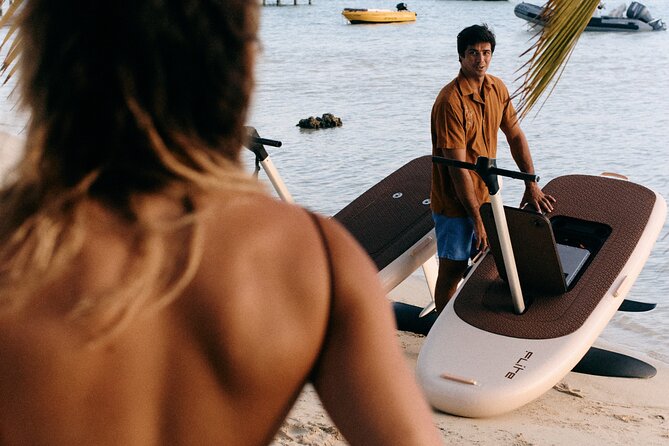
- 15 minutes of theory first, so the water time is spent practicing, not guessing
- 60 minutes in the harbour, ideal for first-timers learning control and balance
- Certified national instructors with close assistance, including quick coaching as you progress
- Fast progression from lying down to knees to standing, with you moving through skills step by skill
- Private lesson format, so your group gets the attention you need
- A sheltered harbour setting in Antigua, which is exactly where you want to start learning
Still weighing it up? These are other Antigua trips that held up when we reviewed them.
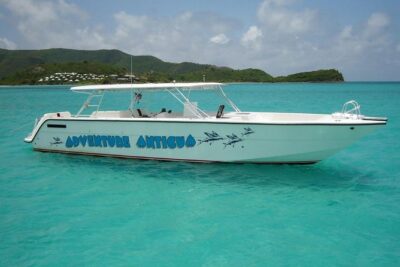
- Adventure Antigua – The Xtreme Circumnavigation
★ 5.0 · 959 reviews - Scenic Full Day Tour of Antigua
★ 5.0 · 472 reviews - Snorkel – Lobster Lunch Cruise to Bird Island and Paradise Reef
★ 5.0 · 438 reviews - Adventure Antigua – Eli’s Original Eco Tour
★ 4.5 · 238 reviews - Antigua Round Island Tour
★ 4.5 · 226 reviews
Fliteboard Efoil in English Harbour: Why This Lesson Works
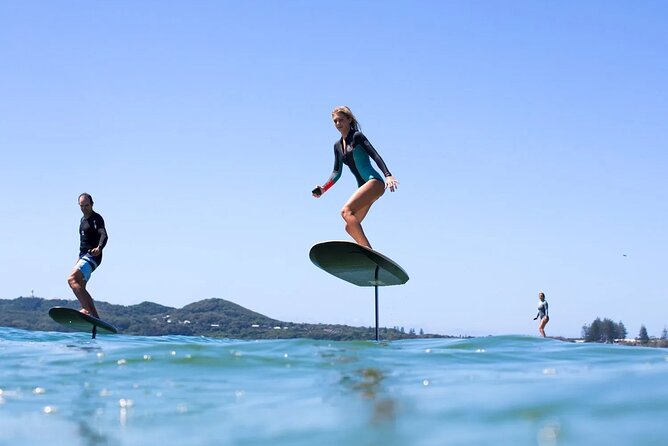
Antigua has a way of making even hard things feel doable. English Harbour is the key here, because it is the kind of sheltered water where you can focus on the mechanics without spending your energy fighting rough conditions. This Fliteboard efoil lesson is built around that beginner-friendly idea: you learn the rules and the feel of the board, then you practice immediately.
The lesson itself is simple, and that is good. You get a short theory session on land, then a full water block. That structure is what keeps first-timers from getting overwhelmed. Instead of a long lecture, you get enough basics to stay safe and then you move into the fun parts.
And the other reason it works is the progression. You start with the board experience while lying down, then switch to approaching the technique on your knees. Only once you feel ready do you start standing, and you are closely assisted by instructors as you go. This step-by-step rhythm is the difference between a chaotic try and a real learning curve you can trust.
Where You Start: Dockyard Drive, English Harbour
You meet at 268J+XC8, Dockyard Drive, English Harbour, and the activity ends back at that same meeting point. For logistics, that is a big plus. You are not bouncing around town, and you can treat the lesson like a clean, contained block of your day.
It is also listed as near public transportation. That matters in Antigua, because it means you are not locked into a complex taxi plan just to get to the water. If you are already staying around English Harbour, your biggest “prep” is showing up on time and being ready to move into gear mode.
One more practical note: this is a private tour/activity, meaning only your group participates. That usually translates into less waiting around and more direct attention while you learn. When you are learning balance and control, direct time with your instructor beats watching others.
Theory on Land: The 15 Minutes That Prevent Common Mistakes
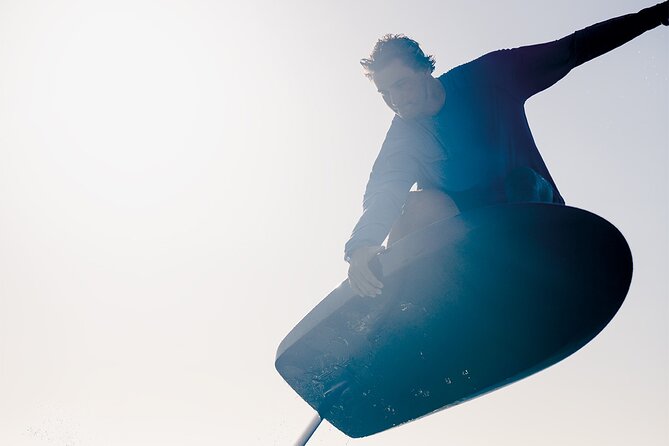
Before you ever get in the water, you get a short theory session on land. It lasts about 15 minutes, and it is not there to kill time. It is there to give you the right mental model, so your water practice is productive instead of random.
In that land portion, you learn how an efoil works and the rules for using it the right way. That sounds basic, but it is exactly what you want early on. If you understand what you are trying to do, you spend your water minute correcting technique instead of correcting confusion.
This is also where you learn how to approach the flying process safely. You are not just hoping the board behaves. You are getting the basics first, then you build confidence with instruction in the water.
The Water Session: 60 Minutes from Board Feel to Standing
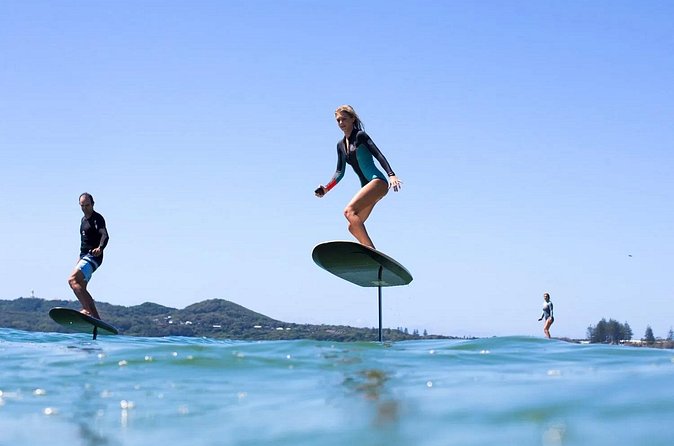
The practical portion is about 60 minutes in the water, and this is where the lesson earns its hype. The format follows your comfort level, which is reassuring. You begin to get familiar with the board first while lying down, then shift to your knees to work toward the technique.
That sequence is smart. Lying down lets you learn stability and handling without forcing standing balance too early. Knees are the bridge step, helping you learn how your body position affects control. Then, when you are ready, you start making your first attempts at standing.
The important detail is that you are closely assisted the whole way. Instructors are watching your technique and guiding your progress, so standing is not just a leap of faith. It is coached. Several learners in the feedback talk about how they were standing within a short window of time once instruction clicks, including reports of learning to stand and even start foiling within the first hour.
For you, that means the lesson is likely to feel doable even if you have never touched an efoil before. The goal is not just to say you went out there. The goal is to leave with real control skills and the confidence to keep practicing if you do another session.
Coaching Matters: Instructors, Communication, and the Calm Vibe
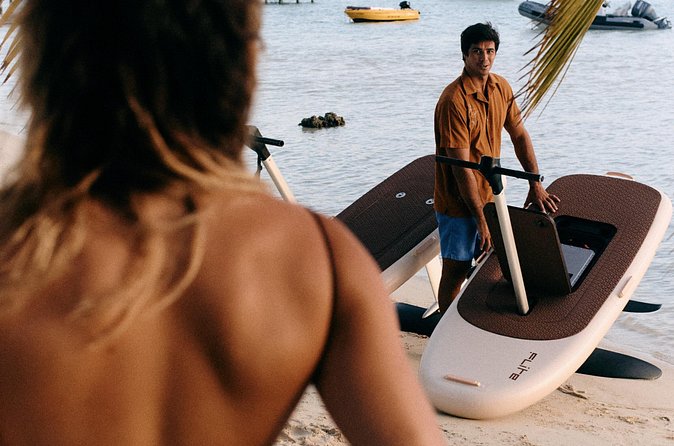
A huge part of learning efoils is nerves. You need an instructor who can explain fast, correct gently, and keep you steady when you are learning balance in open water. This lesson leans into that human side, not just the gear.
One name that comes up is Jaycee, also referred to as JC. People describe the coaching as laid back and helpful, with patience that helps you get up faster. That combination is what you want for a beginner lesson. Too much tension can make you fight the board instead of working with it.
Good communication also matters, and Martha is mentioned in connection with coordinating and keeping learners informed. While you might not care about admin details as much as the ride itself, smooth comms reduce stress. Less stress means better learning.
From a “should I book this?” point of view, that coaching style is often the difference between a fun story and a frustrating day. The lesson is short, so instructor quality is the whole ball game.
What the “Flying” Feels Like in a Harbour Setting
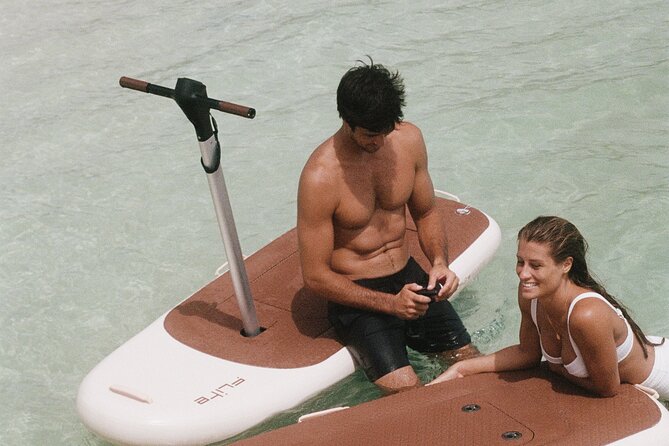
When people talk about efoiling, they usually mean one thing: gliding over the water. In English Harbour, that experience tends to feel especially approachable because you are starting in sheltered water rather than open surf.
What I like about this setup is that it supports your learning curve. You can focus on getting stable and understanding how the board responds to your body position. Then the “wow” moment arrives naturally as your control improves.
Also, the lesson is designed for progression, not just one wild try. If you are still learning when you first hit the water, that is normal. The structure keeps you moving through skills in a logical order, so each attempt builds on the last instead of repeating the same step with no clarity.
If you are traveling with a group, this format can also keep everyone engaged. One reason is that your group is all in the same private lesson, not split into scattered experiences. You can support each other, and the instructors can keep a consistent rhythm across learners.
Equipment and Safety: The Value of a Structured, Supervised Lesson
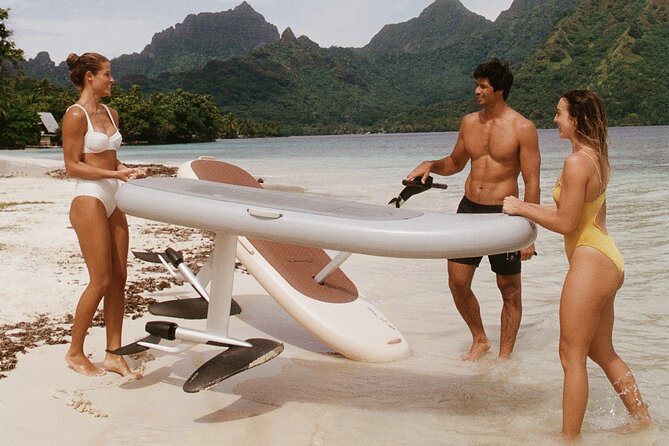
This lesson is conducted in compliance with safety regulations and under supervision. That is a big deal, because efoils are not toys. They are powered boards with clear operational rules.
What you get for your time is not just access to equipment. You get guidance on how to use the efoil properly, plus coaching as you work through each stage. Reviews point to safety being a top priority and the equipment being top-notch. That matters because your confidence grows faster when the setup is reliable and the team is on top of details.
So here is how to think about value: you are paying for instruction time and safe practice time, not just a photo opportunity. For many first-timers, that is the best way to get real results from a short lesson.
Price and Time: Is $185 Good Value for Antigua?
The price is $185.00 per person, and the lesson runs about 1 hour 30 minutes total. That is not the cheapest thing you can do in Antigua, but it also is not priced like a half-day adventure with multiple stops and long transit.
This is a focused activity with two clear parts: 15 minutes of theory and 60 minutes of water practice. You are paying for the structure, the supervised time, and the instructor attention required for beginners. In other words, you are paying for outcomes, not just access.
Booking tends to be about 13 days in advance on average, which is a good sign for planning. If you wait until the last minute, you might still find availability, but planning ahead usually gives you better time slots.
If you are deciding between this and a more passive activity, ask yourself what kind of day you want. If you want adrenaline plus actual skill building, the price starts to make sense fast. If you just want to watch, you might prefer something else.
Who Should Book This Efoil Lesson
This is listed as something most travelers can participate in. That is a helpful starting point. Also, the lesson is private for your group, so it tends to work well for couples, friends, and small family groups.
You will probably love it if you:
- Want a first-time friendly introduction to efoils
- Like having a clear structure instead of trial and error
- Enjoy learning skills you can keep building with a second session later
- Want a thrilling activity in a scenic harbour setting without a complicated day plan
You might want to think twice if you:
- Prefer long practice periods over fast progression
- Know you get easily frustrated when learning balance skills
- Are not comfortable with the idea of being coached closely while you learn
Small Tips That Help You Enjoy the Lesson More
You are not told much here about what to bring, so I will keep this practical and general. Show up ready for a wet, physical session and pay attention during the theory part, because that is the roadmap for what happens next.
A few mindset tips that help:
- Treat the first attempts as training, not judging. Standing is progress.
- Listen for instructor cues and do not overthink. Balance improves with simple adjustments.
- Keep your energy for the water block. The 60 minutes go quickly.
Also, if you are bringing a group, set expectations early. Everyone learns at a different speed, but the lesson is designed to move you through stages with close help.
Should You Book Fliteboard Efoil in Antigua?
I think you should book this if you want a beginner-forward efoil experience that takes safety seriously and still moves fast enough to feel exciting. The big strengths are the short theory-to-water structure, the step-by-step progression from lying down to knees to standing, and the coaching style highlighted by named instructors like Jaycee/JC.
What could make you hesitate is simple: the session is compact, so you will learn quickly or at least move quickly through the stages. If you want a slow, leisurely pace, this may feel too intense.
If you are even mildly curious about flying over water, this is the kind of lesson that turns curiosity into a real, coached experience. Book ahead, show up ready, and trust the process.
FAQ
How long is the Fliteboard Efoil lesson?
It lasts about 1 hour 30 minutes total.
What happens during the lesson?
You start with a short theory session on land (about 15 minutes), then you do a practical session in the water (about 60 minutes).
Where do you meet for the lesson?
The meeting point is 268J+XC8, Dockyard Drive, English Harbour, Antigua and Barbuda.
Does the activity end back at the meeting point?
Yes, it ends back at the meeting point.
Is this activity private or shared?
This is a private tour or activity, and only your group will participate.
Who provides the instruction?
All courses are conducted under supervision by certified national instructors.
What is the price per person?
The price is $185.00 per person.
What is the cancellation policy?
You can cancel for free up to 24 hours in advance for a full refund. If you cancel within 24 hours of the start time, the amount paid is not refunded.
The Rest Of Our Antigua Reviews

Other Antigua and Barbuda trips we have written up
- Luxury Island Platinum Tour★ 5.0 · 3 reviews
- The Ultimate PRETEND Wedding Experience★ 5.0 · 3 reviews
- Biggvee Chauffeur service★ 5.0 · 3 reviews
- Clear Kayak Tour in Mangrove Antigua★ 5.0 · 3 reviews
Workshops, compared.
 ★ 4.7All About Jerk Cooking ClassFrom $14519 reviews
 ★ 5.0St. John’s: Rum Cooking Class with 6 Rum TastingsFrom $1646 reviews
 ★ 5.0St. John’s: From the Sea Cooking ClassFrom $1645 reviews
 ★ 5.0Coordinating Curry Cooking ClassFrom $1454 reviews
Browse the lists this tour appears in